
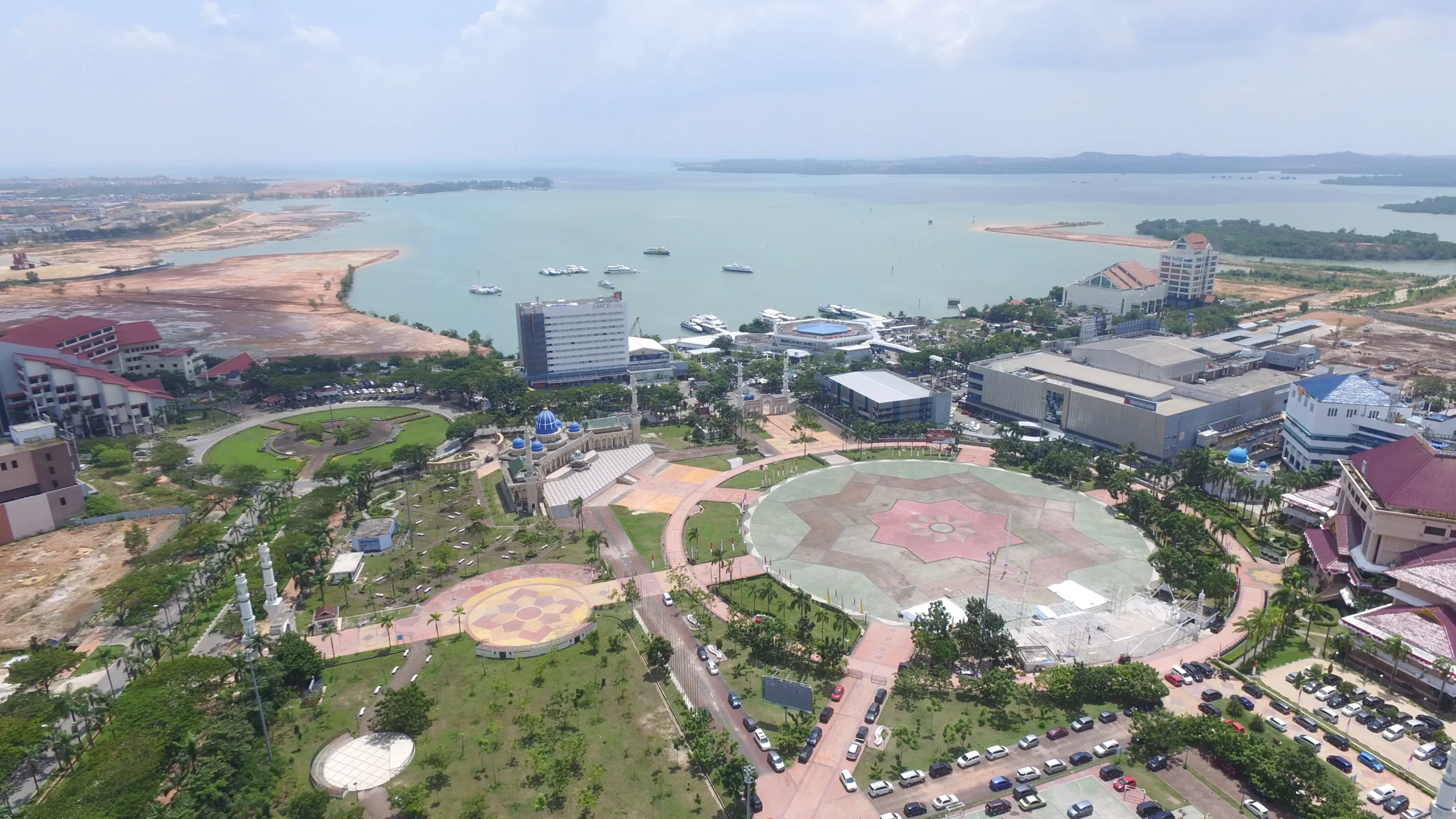
Overview of Batam

History of Batam

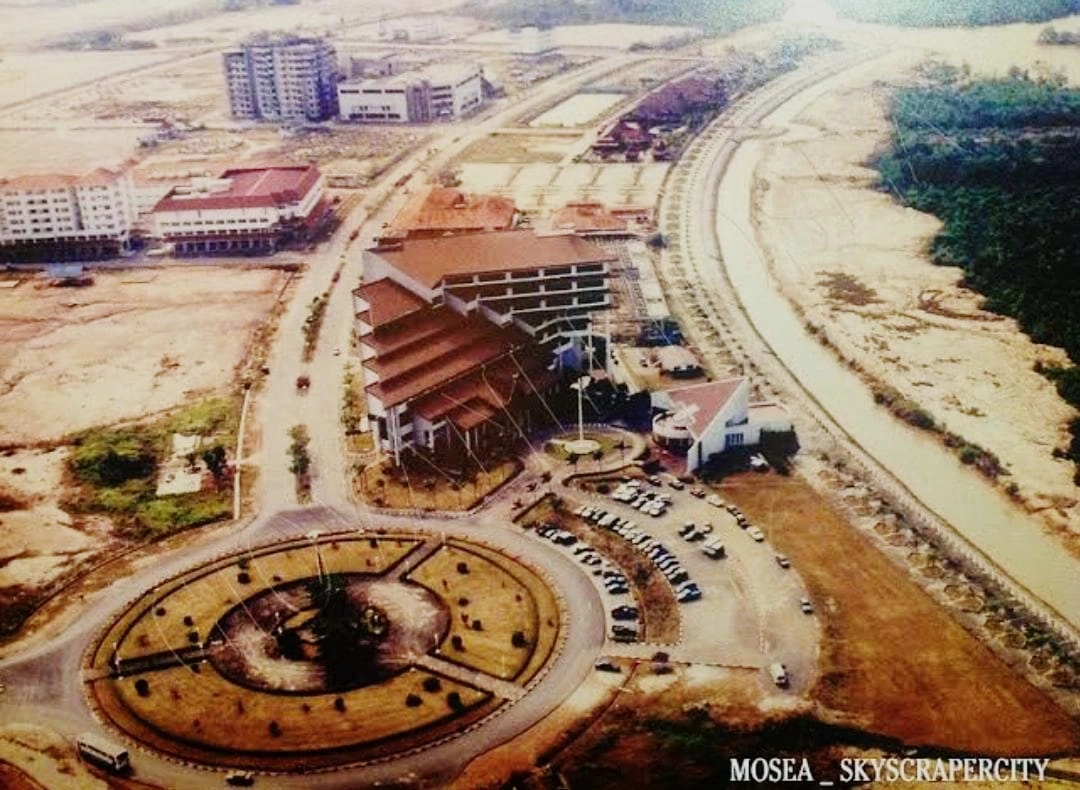
Batam has a long history dating back to the 3rd century AD, until it developed rapidly in the modern era as a center of industry, trade and investment in Indonesia.

Early History (231 AD)
Pre-modern Era
Batam Island was first recorded in history in 231 AD by a Chinese writer named G.Y. Wang, who mentioned the existence of community activities in the Riau islands, including Batam.

At this time, Batam was still a small island with a small population, the majority of whom lived from the sea.
Early History (231 AD)
The 1970s
Start of Construction
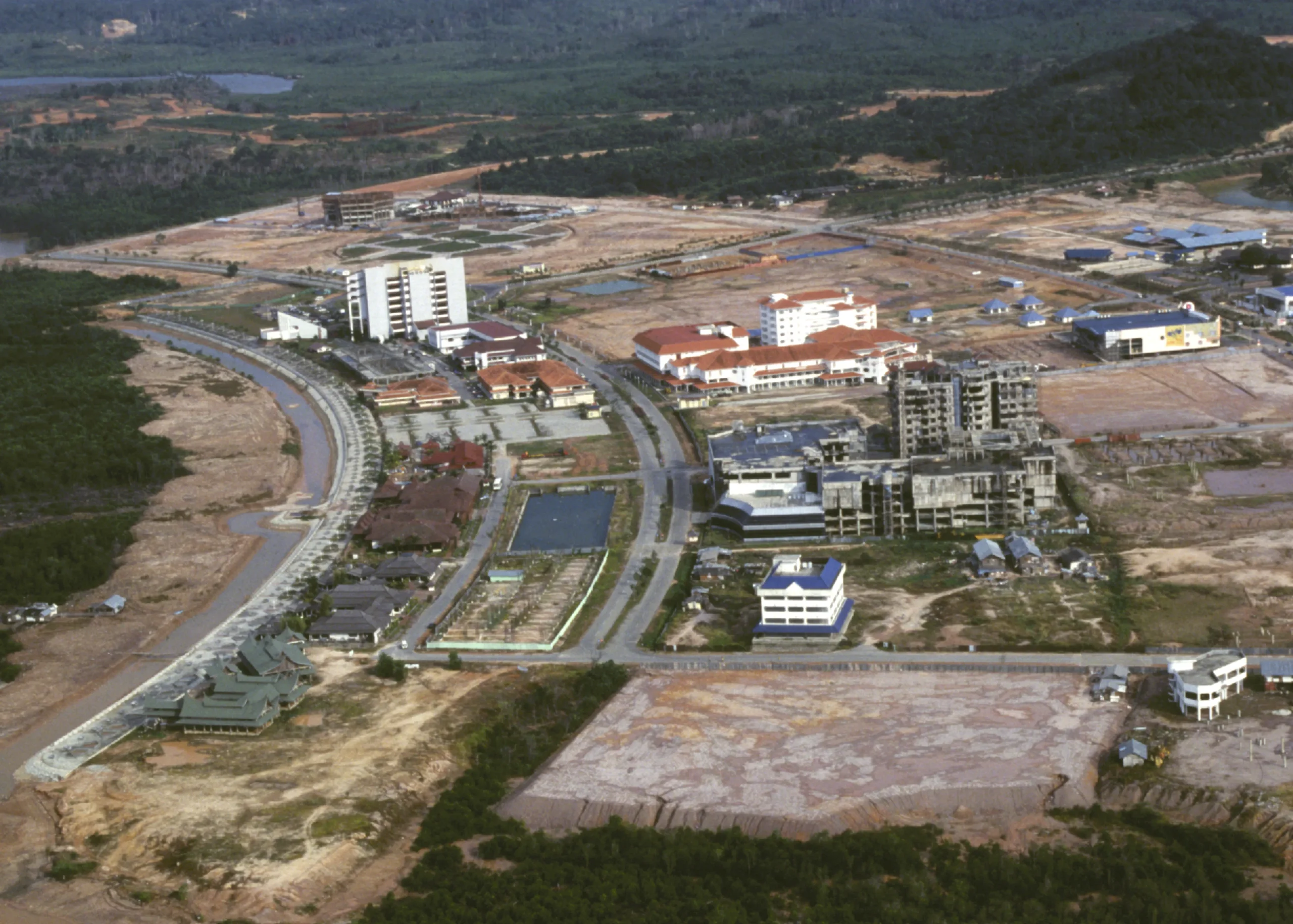
In the early 1970s, Batam was developed by Pertamina as a logistics base for the oil and gas industry.

In 1973, the government established the Batam Authority through a Presidential Decree, which later became the forerunner of the current BP Batam.
The 1970s
BP Batam Era
Modern Growth
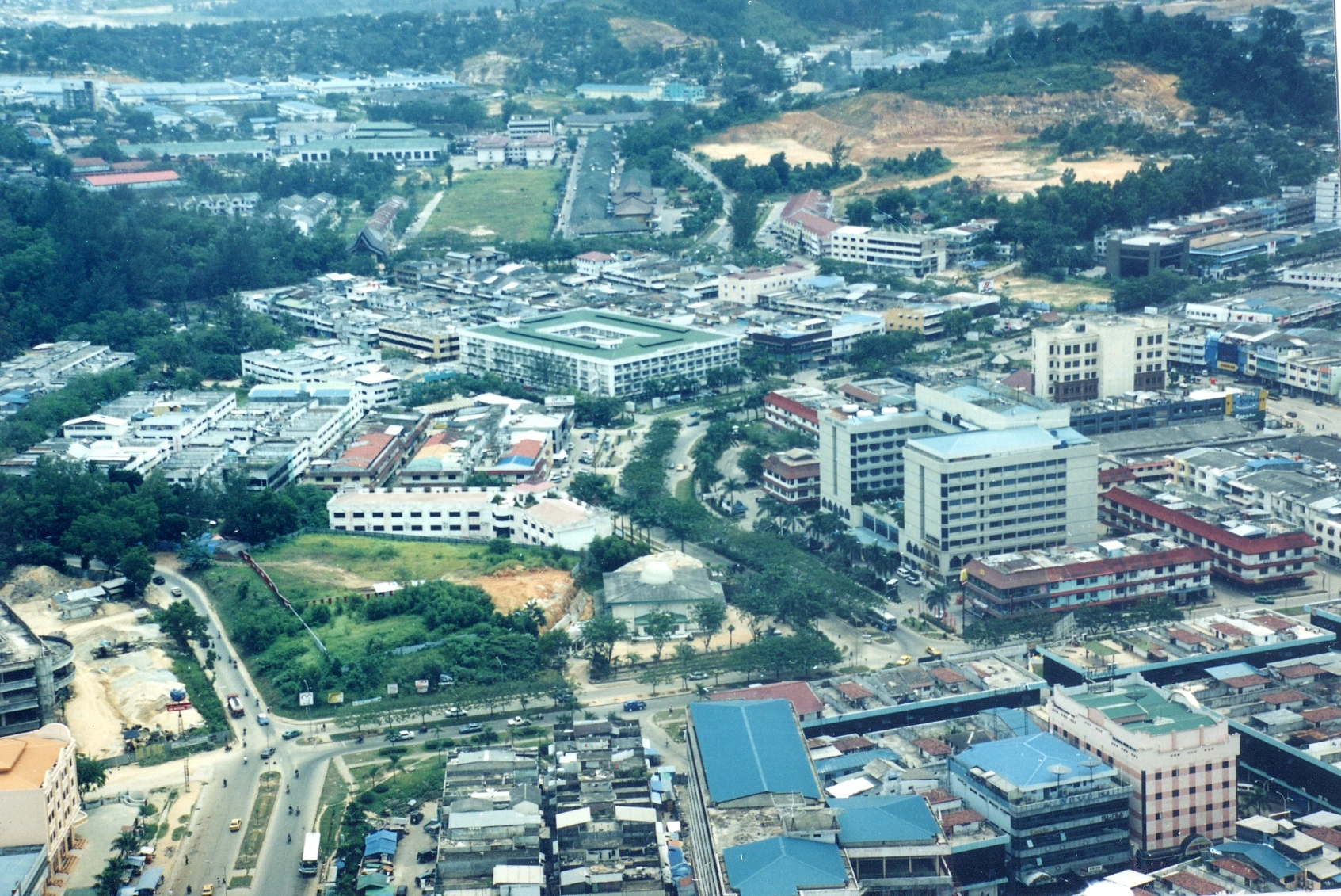
Since the establishment of the Batam Authority, Batam has grown as an industrial area with various sectors: manufacturing, shipping, electronics, and trade.

Batam is set up as a strategic economic center, as well as projected as a buffer zone for Singapore.
BP Batam Era
Free Trade Area (2000s)
Zoning & Legislation
In the 2000s, the government established Batam as a Free Trade and Free Port Area (FTZ) through Law 36/2000 and Law 44/2007.

In addition, there was a plan to develop a Special Economic Zone (SEZ) to strengthen Batam's competitiveness at the global level.
Free Trade Area (2000s)
Current Era
Transformation & Challenges
Batam continues to develop into an investment center with many industrial areas, but also faces challenges such as infrastructure needs, regulations, and global competitiveness.

BP Batam is committed to accelerating development and managing regulations to make Batam a modern economic center.
Current Era

Geographical Location

Geographically, Batam is located on the strategic route of the Strait of Malacca and adjacent to Singapore and Malaysia, making it an area of high economic value.

Batam is part of the Riau Islands Province located on the strategic route of Southeast Asia, directly adjacent to Singapore and Malaysia. With an area of ± 415 km², Batam has become one of the most important industrial and trading cities in Indonesia.

Batam has a tropical climate with two main seasons: dry (March-September) and rainy (October-February). The average temperature ranges from 26-34°C throughout the year.

Riau Islands Province

Has an area of 251,810.71 km²

Natuna Island

It is located 550 km to the Northeast of Batam Island, with an area of 1,720 km2 (172,000 Ha).

Batam Island

It has an area of 415 km2 (41,500 Ha).

Moon Island

It is located 2.5 km to the Southwest of Batam Island, with an area of 100 km2 (10,000 Ha).

Singapore

It is located 20 km to the northwest of Batam Island, with an area of 674 km2 (67,400 Ha).

Rempang Island

It is located 2.5 km to the Southeast of Batam Island, with an area of 165.83 km2 (16,583 Ha).

Bintan Island

It is located 10 km to the East of Batam Island, with an area of 1,100 km2 (110,000 Ha).

Galang Island

Located 350 m to the southeast of Rempang Island, with an area of 80 km2 (8,000 ha).

Barelang region

Batam Island, Rempang, Galang and surrounding islands have an area of 715 km2 (71,500 ha).

Batam Strategic Infrastructure

Modern Facilities Connecting Batam to the World, Supporting Economic Growth, Industry and Tourism

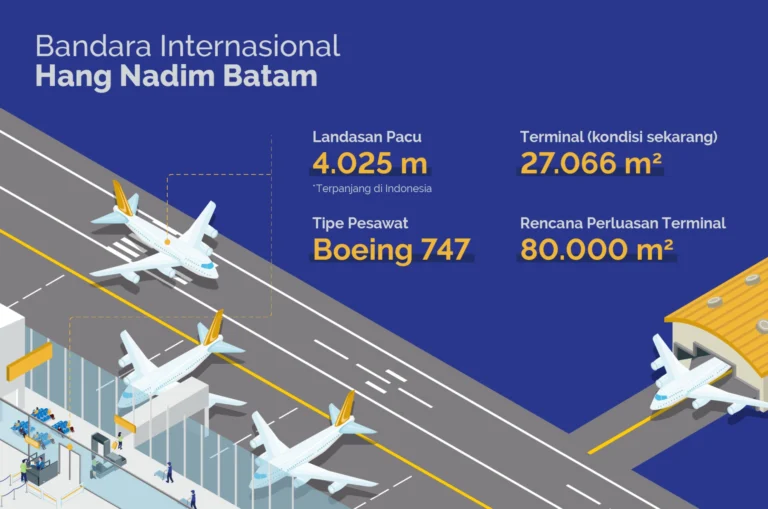
Hang Nadim Airport

An international airport with the longest runway in Indonesia, it is the main door for air transportation and connects Batam with major cities in Asia.
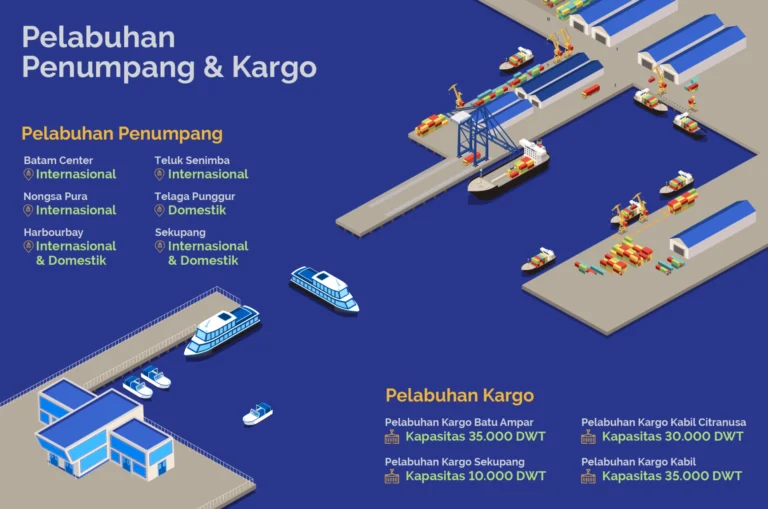
Batu Ampar Harbor

The main port for export-import activities, serving industrial logistics, trade, and being a strategic path of maritime connectivity.
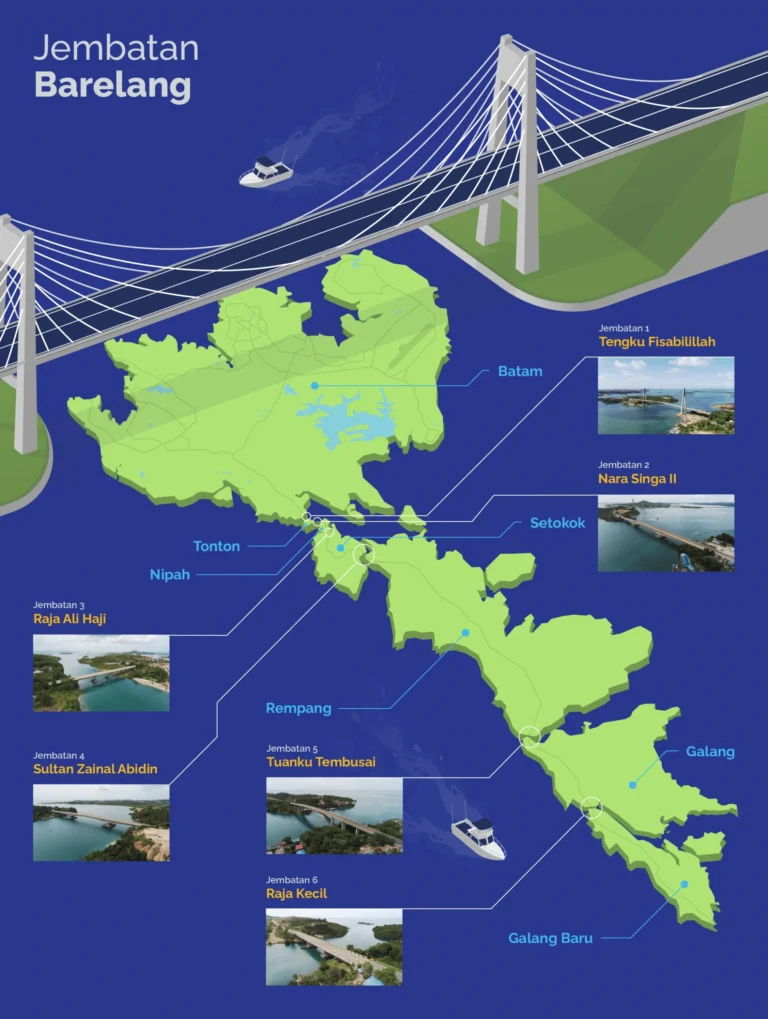
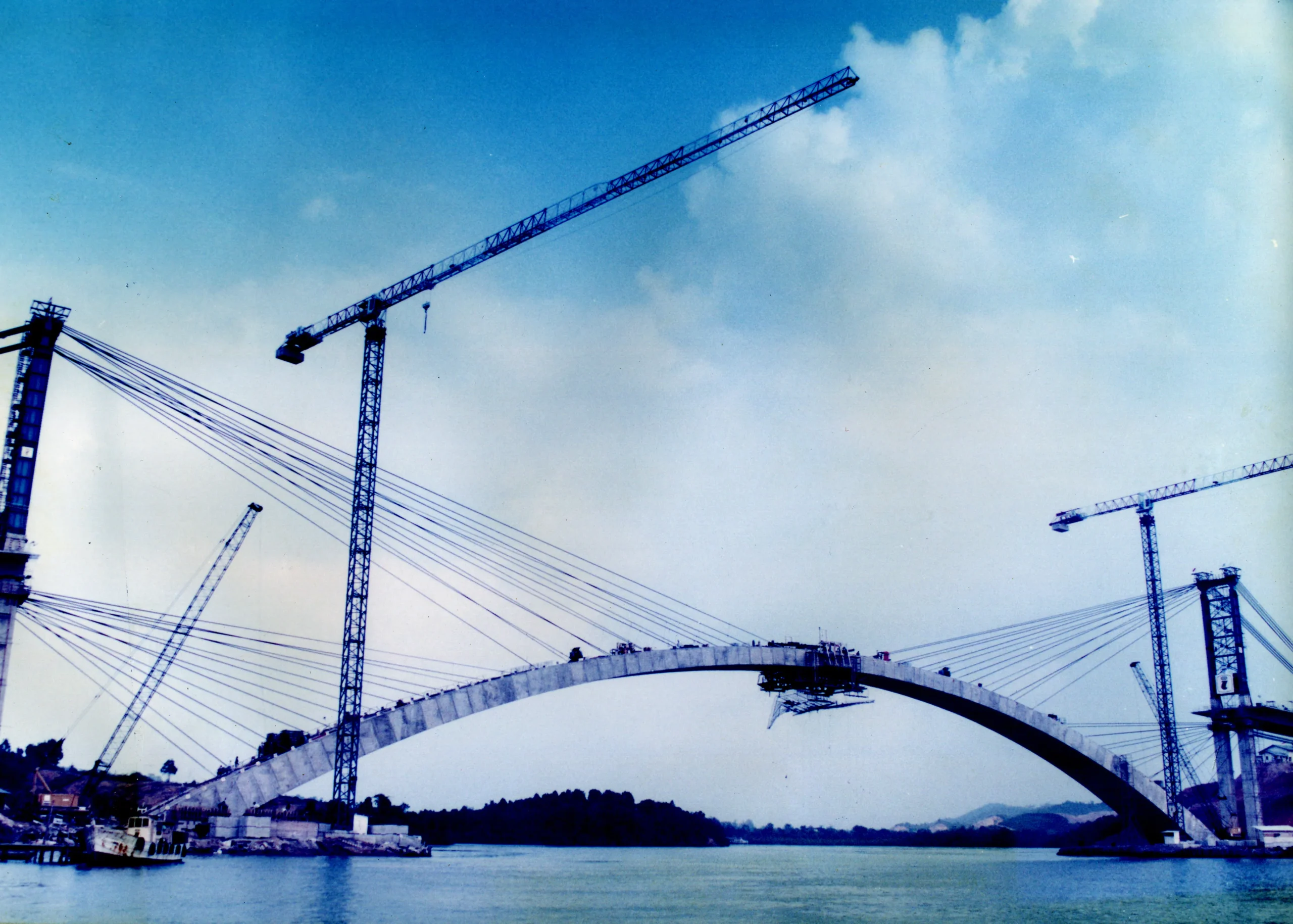
Barelang Bridge

The icon of Batam city that connects Batam, Rempang, and Galang islands, as well as a tourist destination and symbol of the city's infrastructure development.
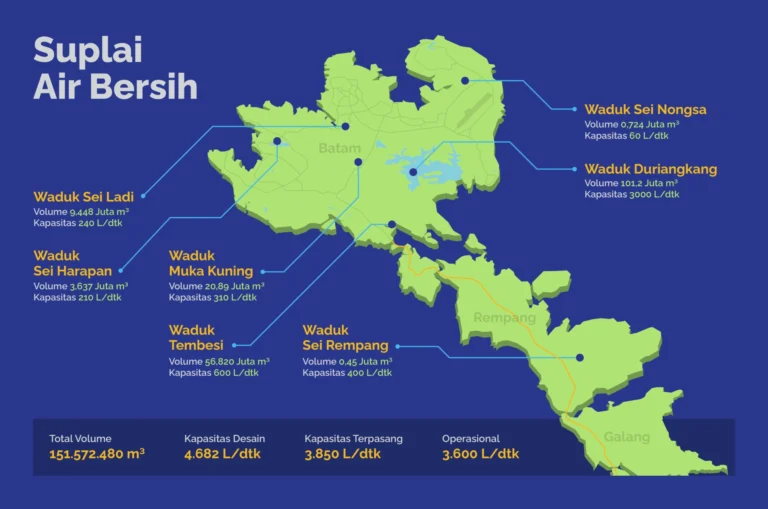
Clean Water SPAM Batam

SPAM Batam manages a modern clean water distribution system that covers the entire main island. This infrastructure ensures that the needs of households, public facilities, tourism, and industrial areas are met in a sustainable manner.

Cari Informasi di BP Batam

Temukan layanan, Berita, atau informasi publik.